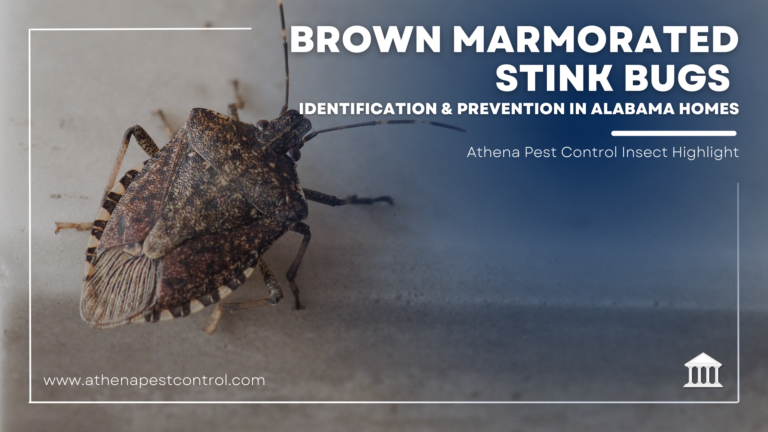
Brown Marmorated Stink Bugs: Identification & Prevention in Alabama Homes
Understanding Brown Marmorated Stink Bugs in Alabama
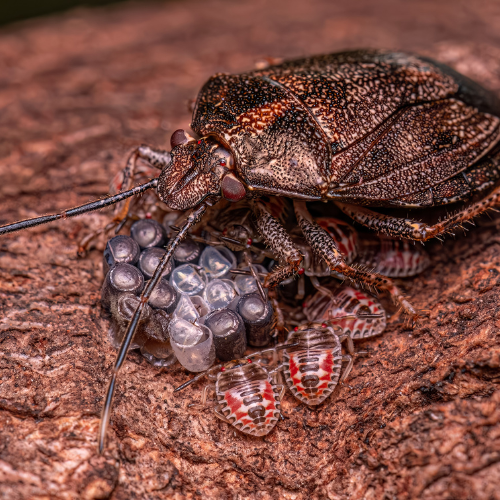
As temperatures cool across Jefferson County, Shelby County, St. Clair County, and surrounding Alabama areas, homeowners start seeing an all-too-common winter invader: the Brown Marmorated Stink Bug. While they don’t bite or damage structures, they do release a pungent odor when threatened — and they tend to gather in large numbers.
At Athena Pest Control, our mission is to protect your home with clarity, education, and effective solutions. Below is a complete guide to help you understand these seasonal pests and keep them out of your living spaces.
How to Identify Brown Marmorated Stink Bugs
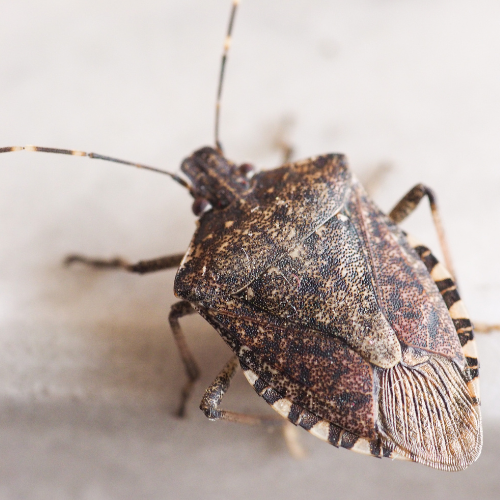
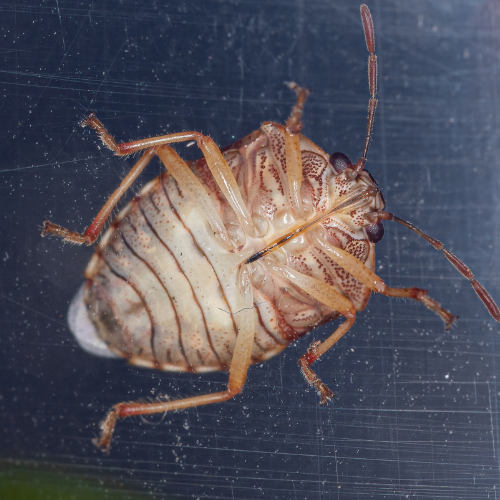
The Brown Marmorated Stink Bug (Halyomorpha halys) has several distinct features:
- Shield-shaped body, typically brown or mottled
- Light and dark “banding” on the antennae
- Smooth shoulders (unlike similar native species)
- Approximately 1/2 inch long
Not resembling these features, but still need to identify your invader? Head to our Pest Library for more!
Learn even more about these pesky invaders here.
Why Stink Bugs Invade Homes in Winter
Stink bugs don’t come inside for food — they come seeking warmth.
Common entry points include:
- Gaps around windows and doors
- Vents and utility openings
- Cracks in siding
- Attic spaces and soffits
Once inside, they cluster in attics, wall voids, and sunny windows.
Myths About Stink Bugs
There’s a lot of misinformation online, so let’s set the record straight:
Myth 1: Stink bugs bite people.
False. They do not bite or sting.
Myth 2: Crushing them attracts more stink bugs.
Partially true. Crushing them releases an odor that can attract other stink bugs in the immediate area.
Myth 3: Stink bugs cause structural damage.
False. They are nuisance pests, not destructive ones.
Simple At-Home Prevention Tips
You can significantly reduce fall stink bug invasions with these steps:
1. Seal Entry Points
Use silicone-based caulk around:
- Window frames
- Door seals
- Baseboards
- Exterior cracks
The U.S. Department of Agriculture confirms sealing is the #1 step for reducing infestations.
2. Replace or Repair Screens
Check window screens, dryer vents, and attic vents.
3. Use Natural Repellents
Some homeowners report success with:
- Essential oils like peppermint
- Light vacuuming (avoid crushing)
- Gentle soap-and-water spray
While these help reduce numbers, they won’t stop heavy infestations.
DIY Removal: What Works (and What Doesn’t)
What Works
What Doesn’t Work
- Using a vacuum with a disposable bag
- Sticky traps for monitoring
- Light traps specifically designed for stink bugs
- Soapy water in a bowl as a humane trap
- Foggers or over-the-counter “bomb” style treatments
- Harsh chemical sprays indoors
- Crushing them (“stink” guaranteed)
Why Homeowners Trust Athena Pest Control
Protective. Educational. Dependable.
At Athena Pest Control, we combine science-backed pest solutions with the kind of homeowner education that keeps your family protected long after we leave.
What Makes Athena Different
- Targeted treatments that eliminate beetles at the source
- Safe, family-friendly solutions
- Exterior sealing and preventive barriers
- Expert identification of beetles, pests, and seasonal risks
- A team that explains, protects, and follows through
We don’t just treat the problem —
we help you understand it, prevent it, and reclaim your home with confidence.
Ready for protection?
If you suspect you’re dealing with Asian lady beetles — or you want a seasonal inspection before winter pests move in — Athena Pest Control is ready to help.
📞 Call now for a free assessment
🛡️ Protect your home the smart way — with Athena on your side.